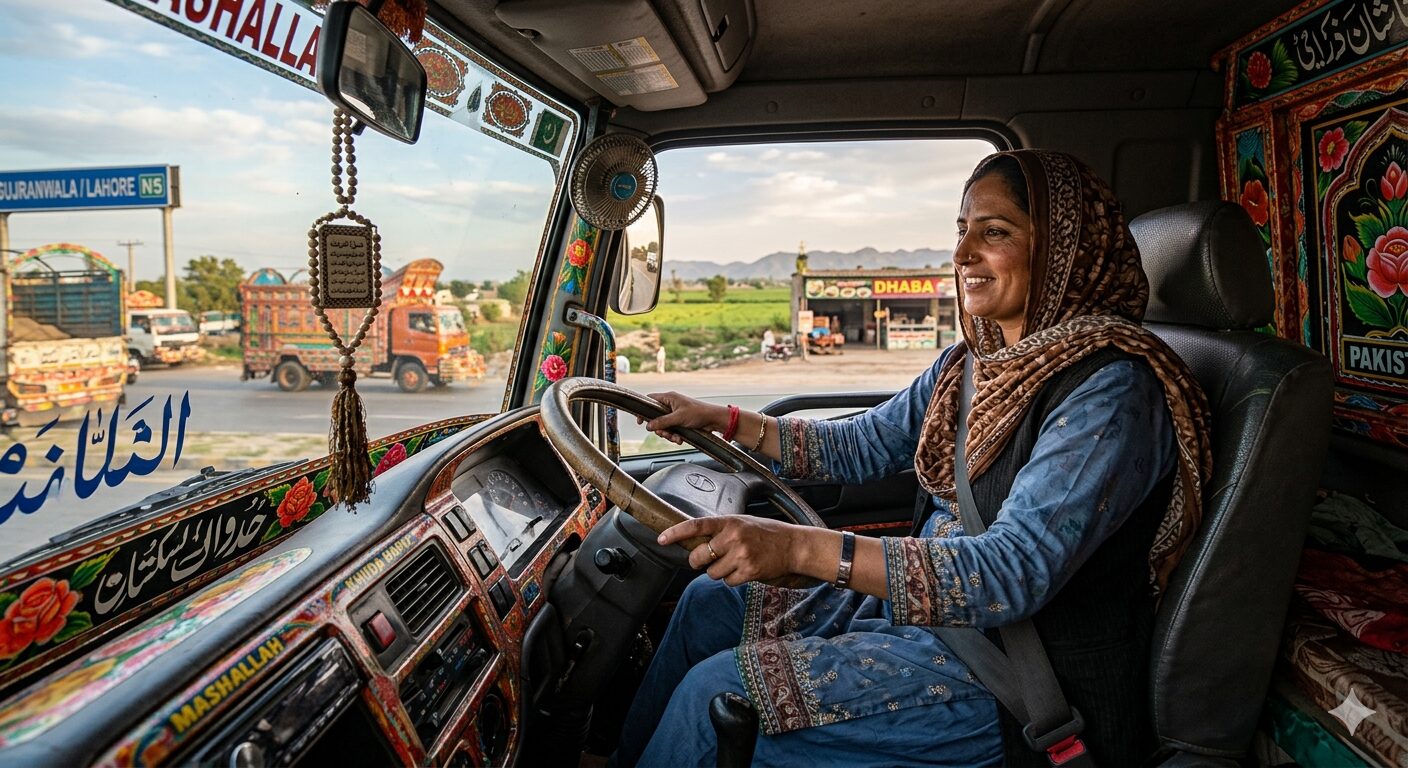
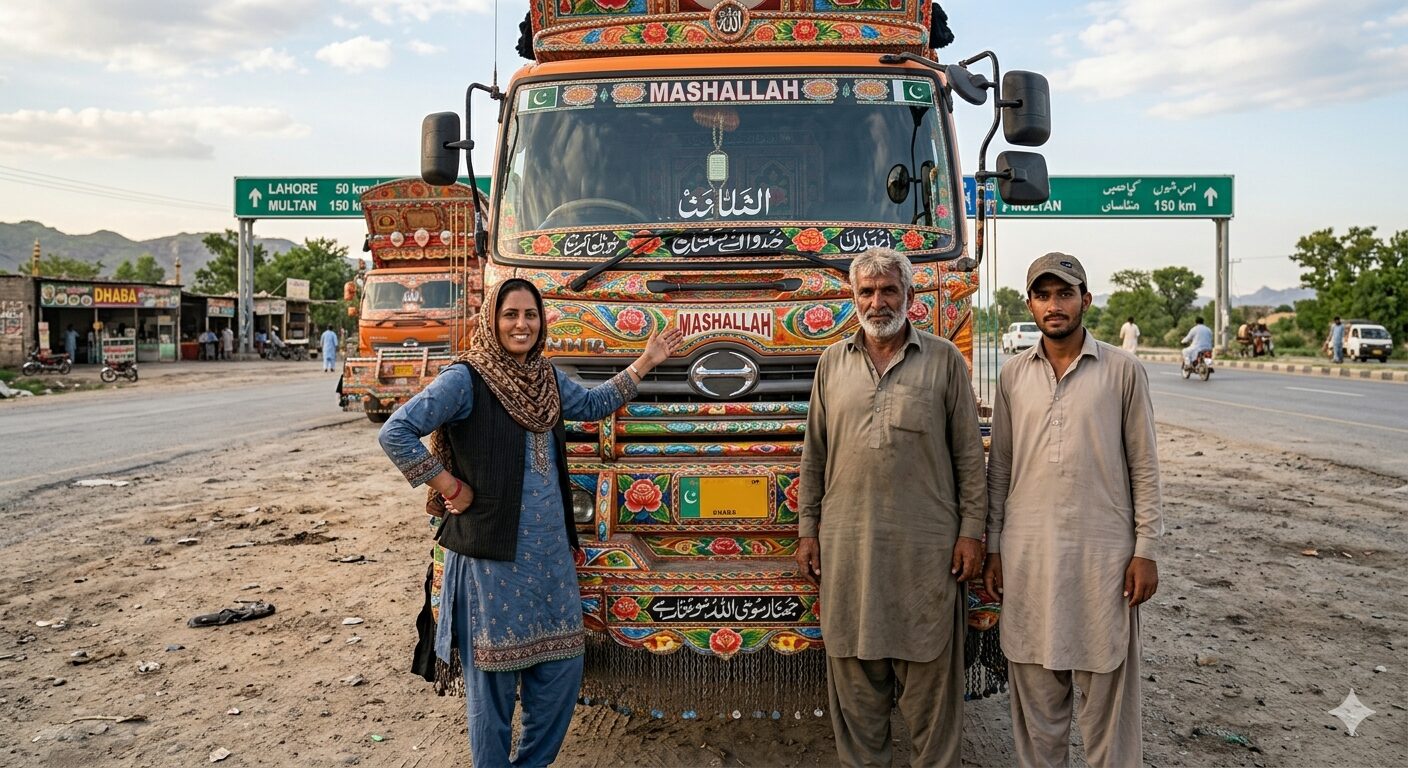
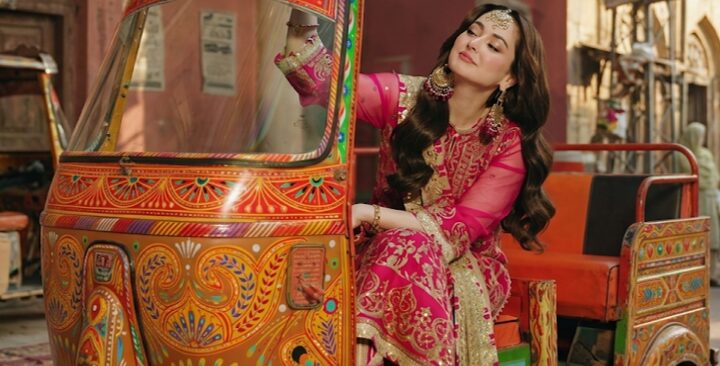
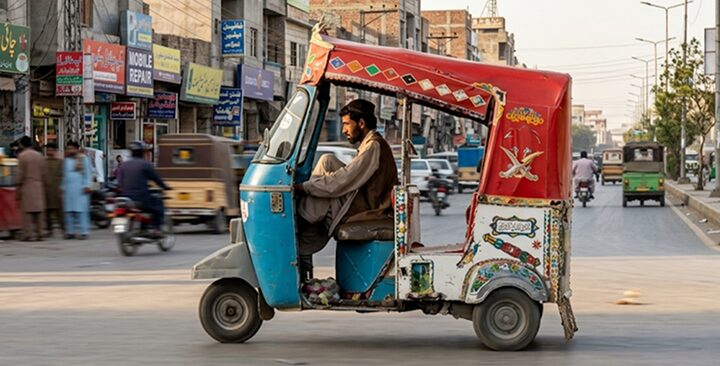
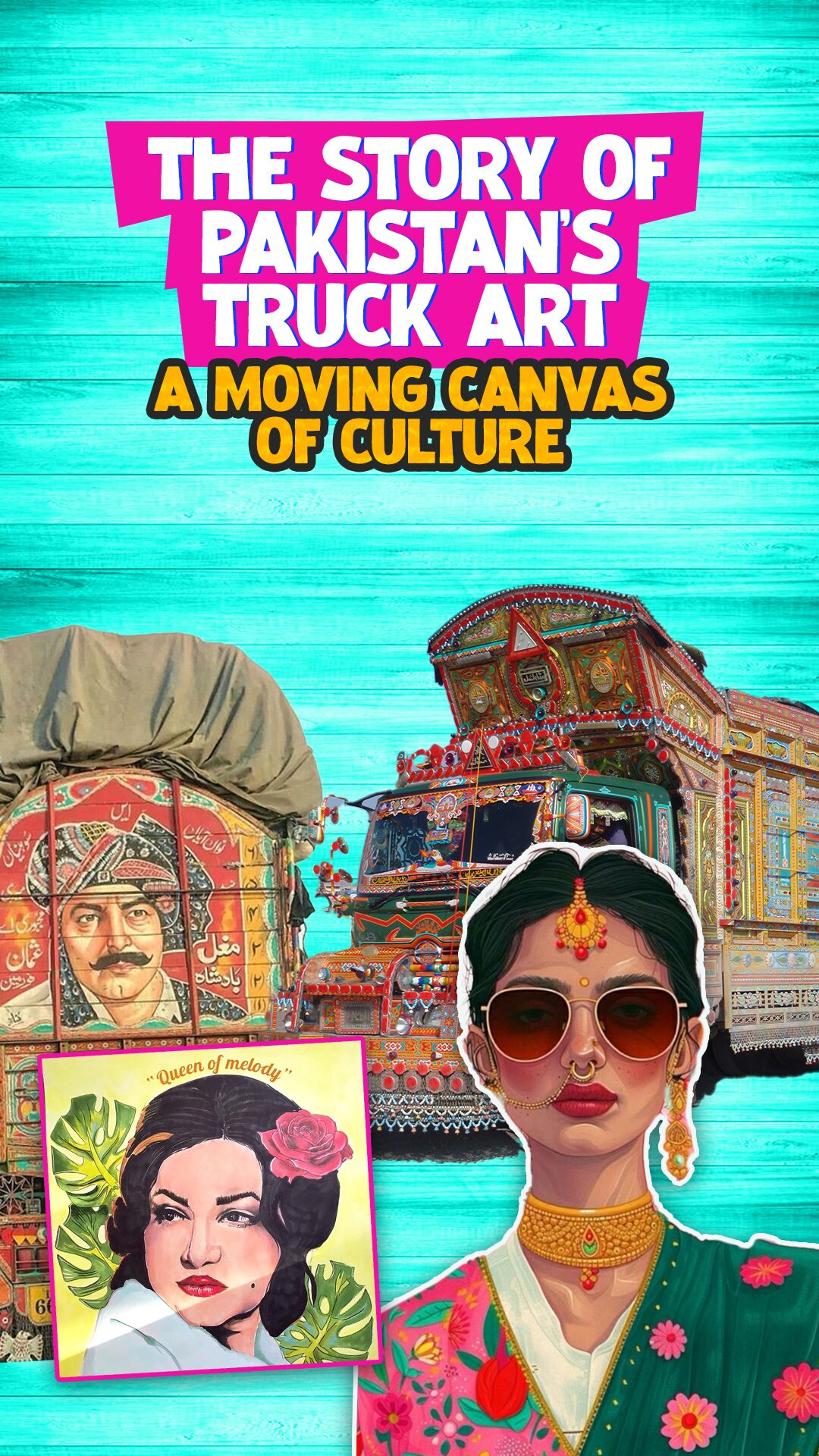
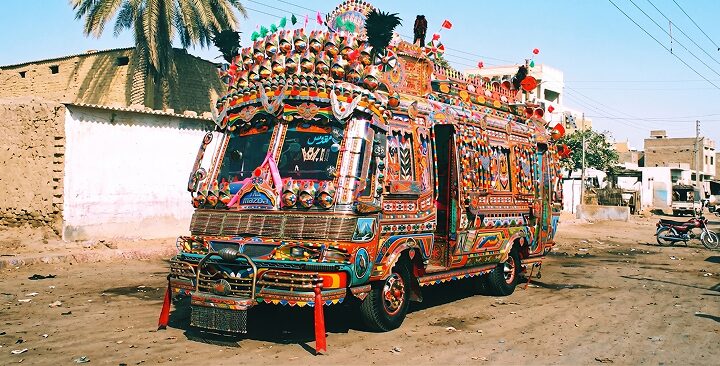
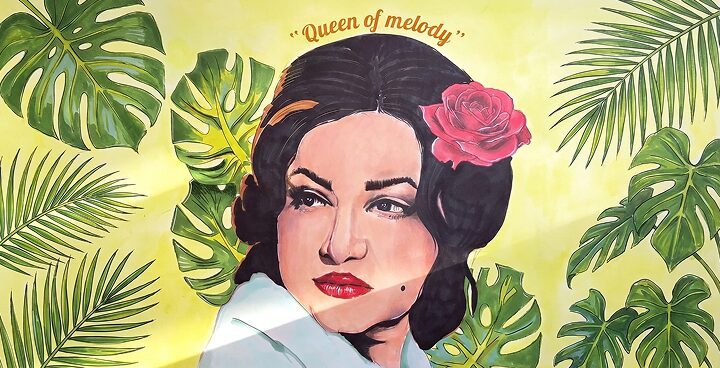
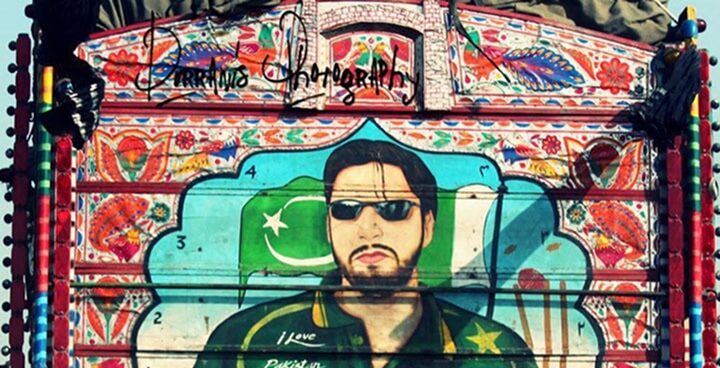
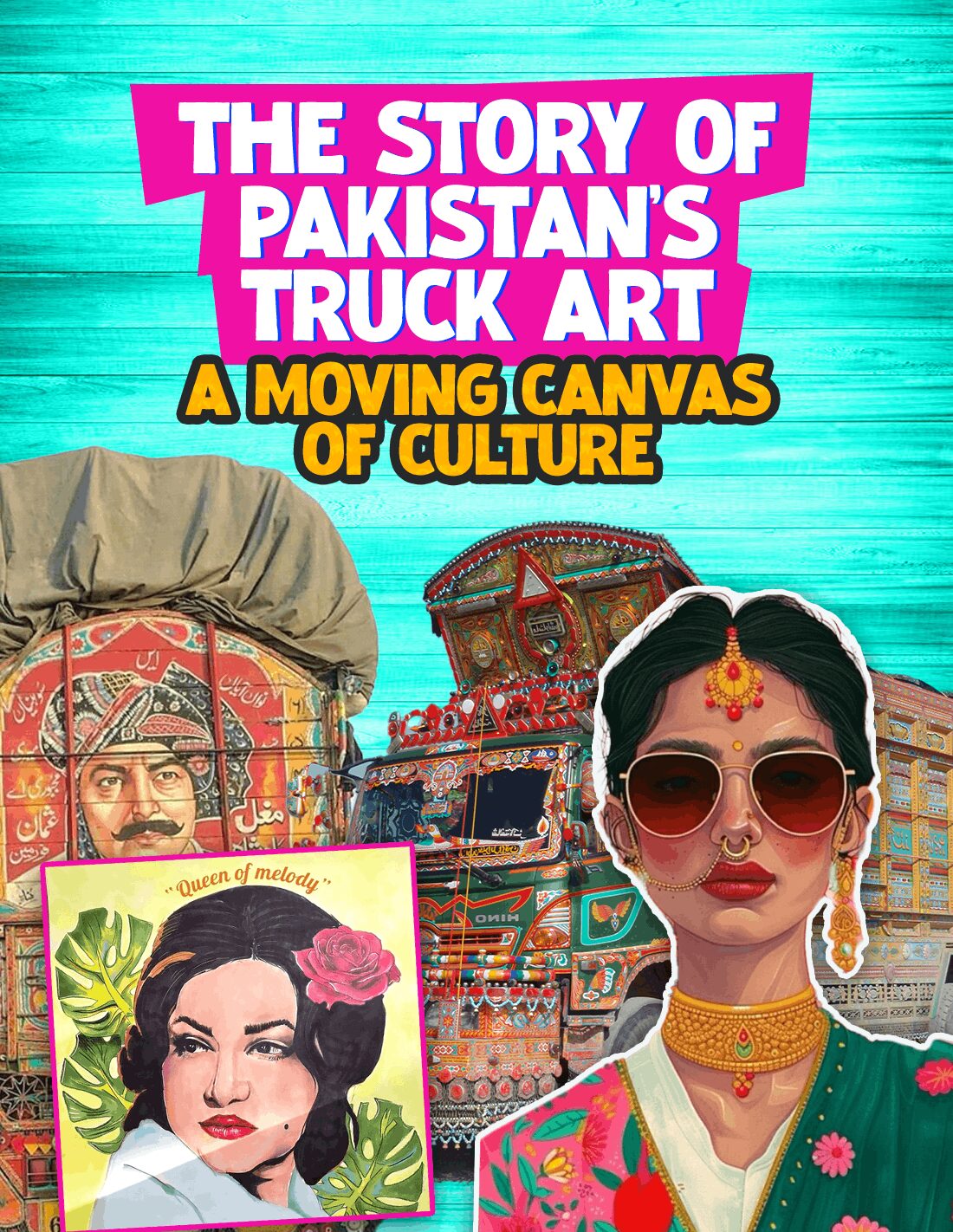
Every decorated truck tells a story. The artwork often reflects the personality, beliefs, experiences, and aspirations of the driver or owner, turning the vehicle into a highly personal expression of identity.
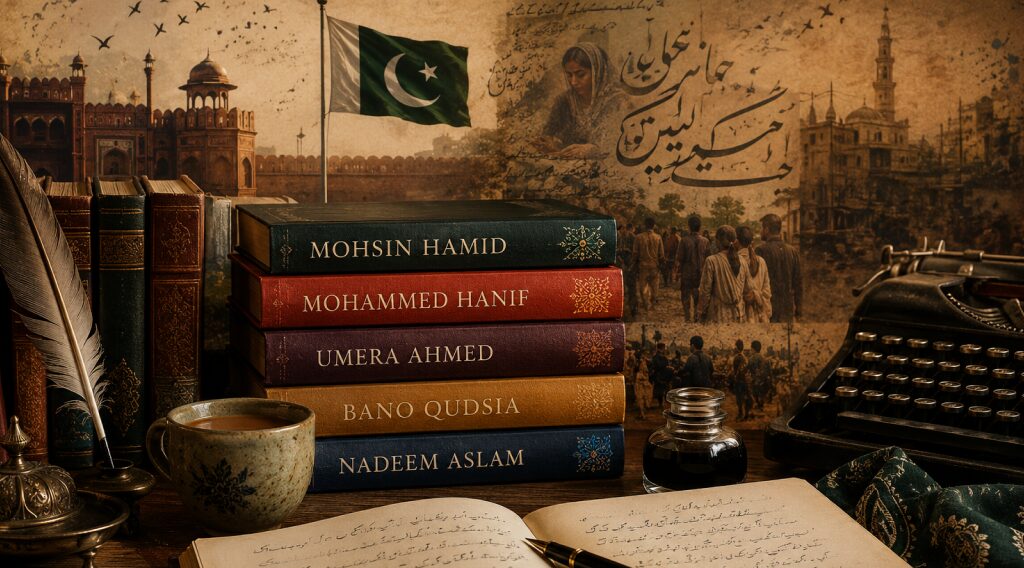
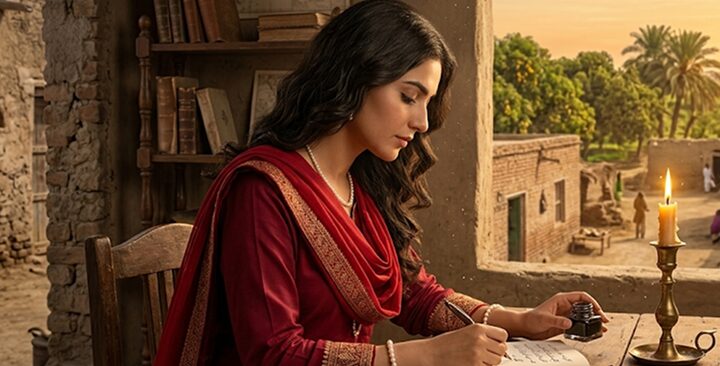
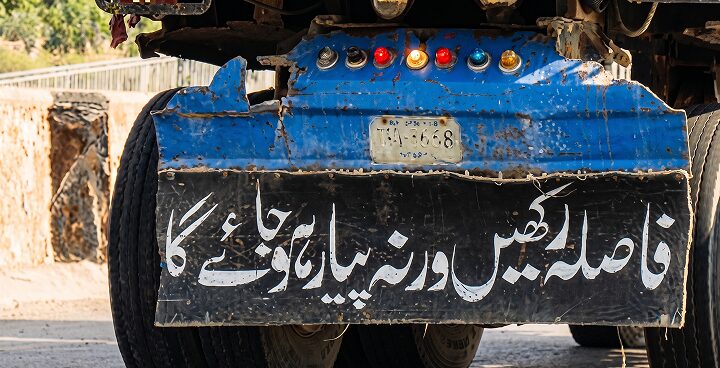
Urdu poetry frequently appears on truck panels, featuring verses about love, longing, faith, friendship, and humor. Alongside these literary elements, Quranic calligraphy, devotional phrases, and symbolic imagery add spiritual significance to the designs.
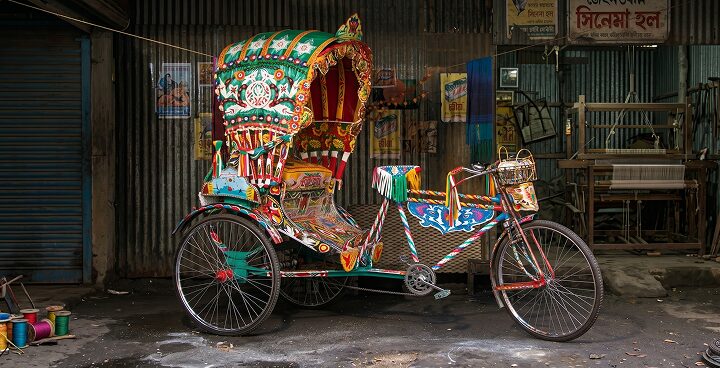
Combined with vibrant colors, intricate floral patterns, reflective mirrors, and handcrafted ornaments.